Understanding U.S. Alcohol Import Regulations
One of the first and most critical steps in importing spirits into the U.S. is understanding federal regulations. The alcohol industry is governed by the Alcohol and Tobacco Tax and Trade Bureau (TTB), which oversees labeling, permits, and compliance.
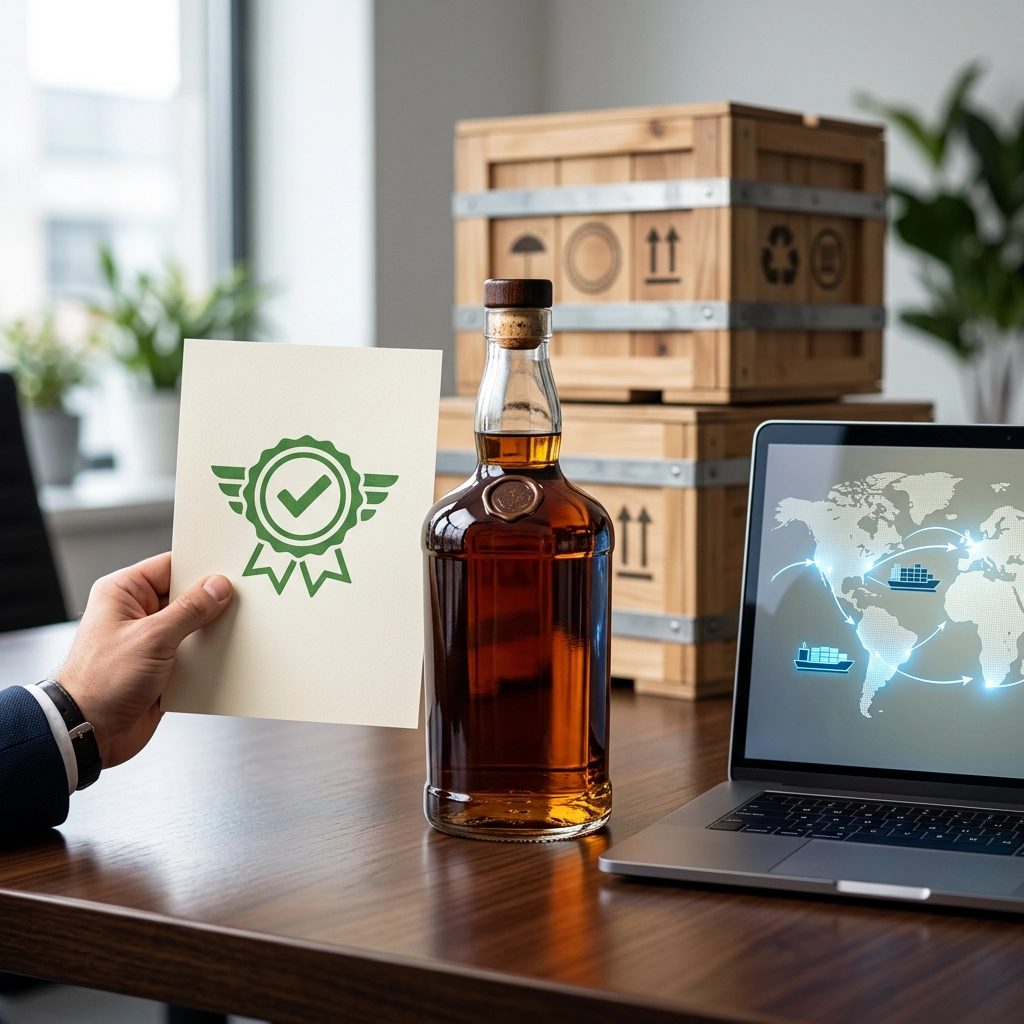
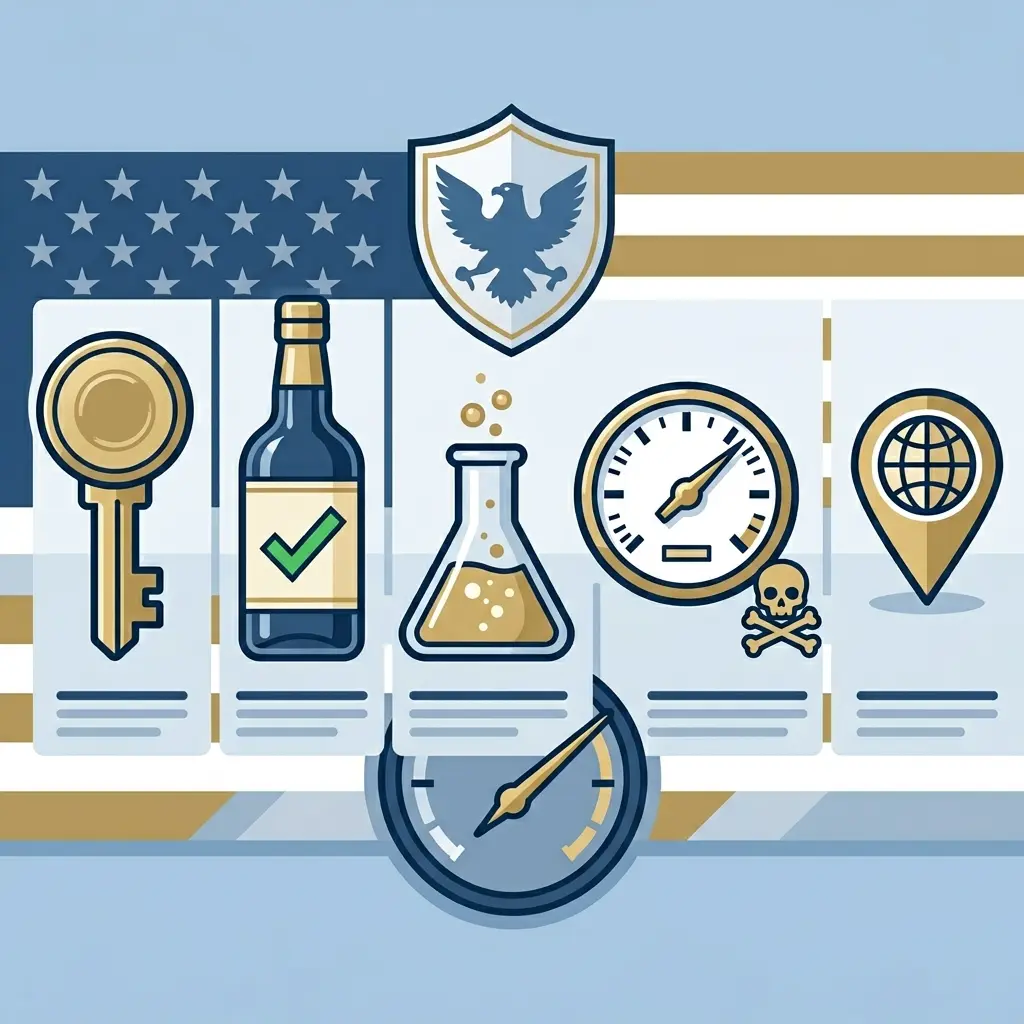
Key requirements include:
- Obtaining a Basic Importer’s Permit
- Securing a Certificate of Label Approval (COLA)
- Ensuring formula approval (if applicable)
- Meeting strict labeling requirements (ABV, health warnings, origin)
Failure to meet these standards can delay or even prevent your product from entering the market.
Want to know if you are covered? Call us today!
Product Compliance and Labeling
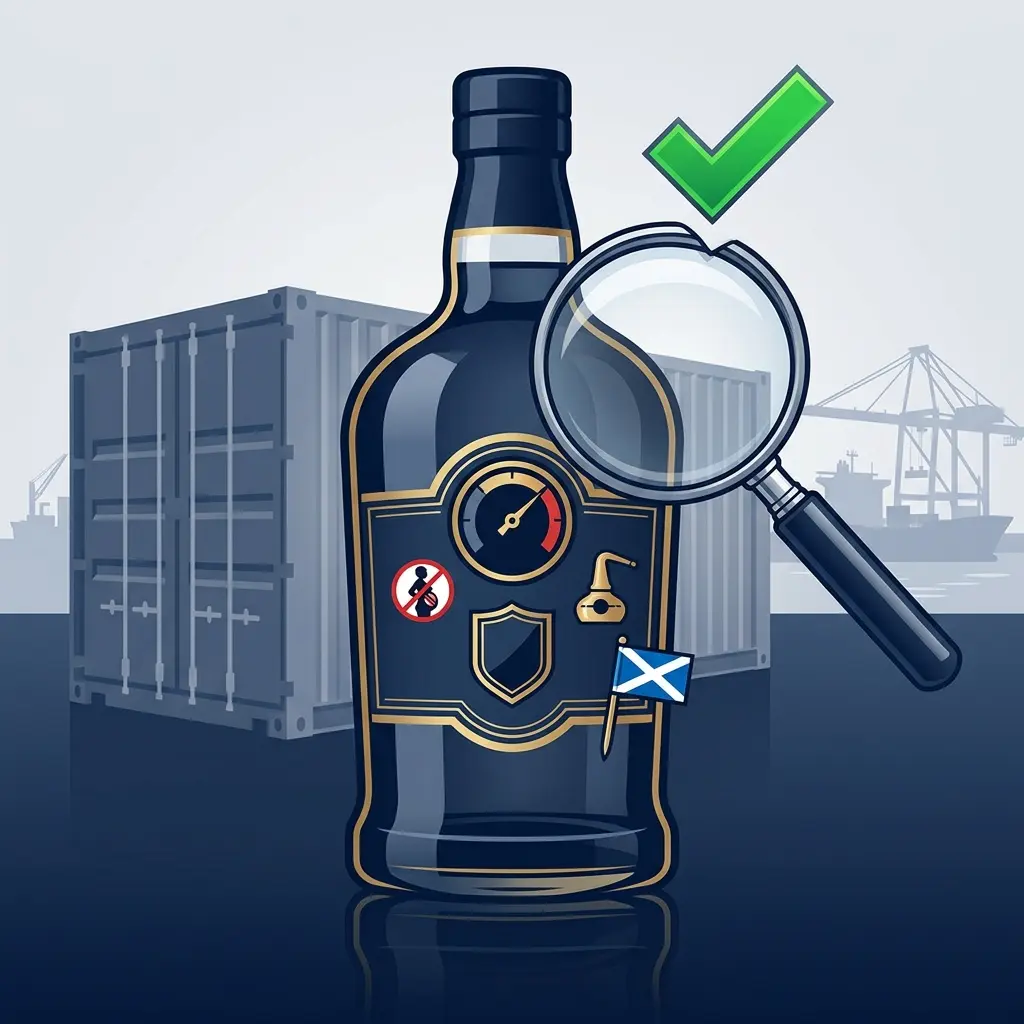
Before your product ever ships, it must be fully compliant with U.S. laws. This includes:
- Accurate alcohol content labeling
- Government warning statements
- Proper brand name and classification
- Country of origin disclosure
Even small errors can lead to costly delays at port. That’s why working with an experienced importer is essential to ensure everything is approved before shipment.

Logistics and Supply Chain Management
Importing spirits isn’t just about paperwork—it’s also about moving product efficiently and safely.
This includes:
- International freight coordination
- Customs clearance
- Duties and federal excise taxes
- Warehousing and inventory management
Temperature control, packaging integrity, and timing all play a role in maintaining product quality from origin to shelf.
The U.S. Three-Tier System
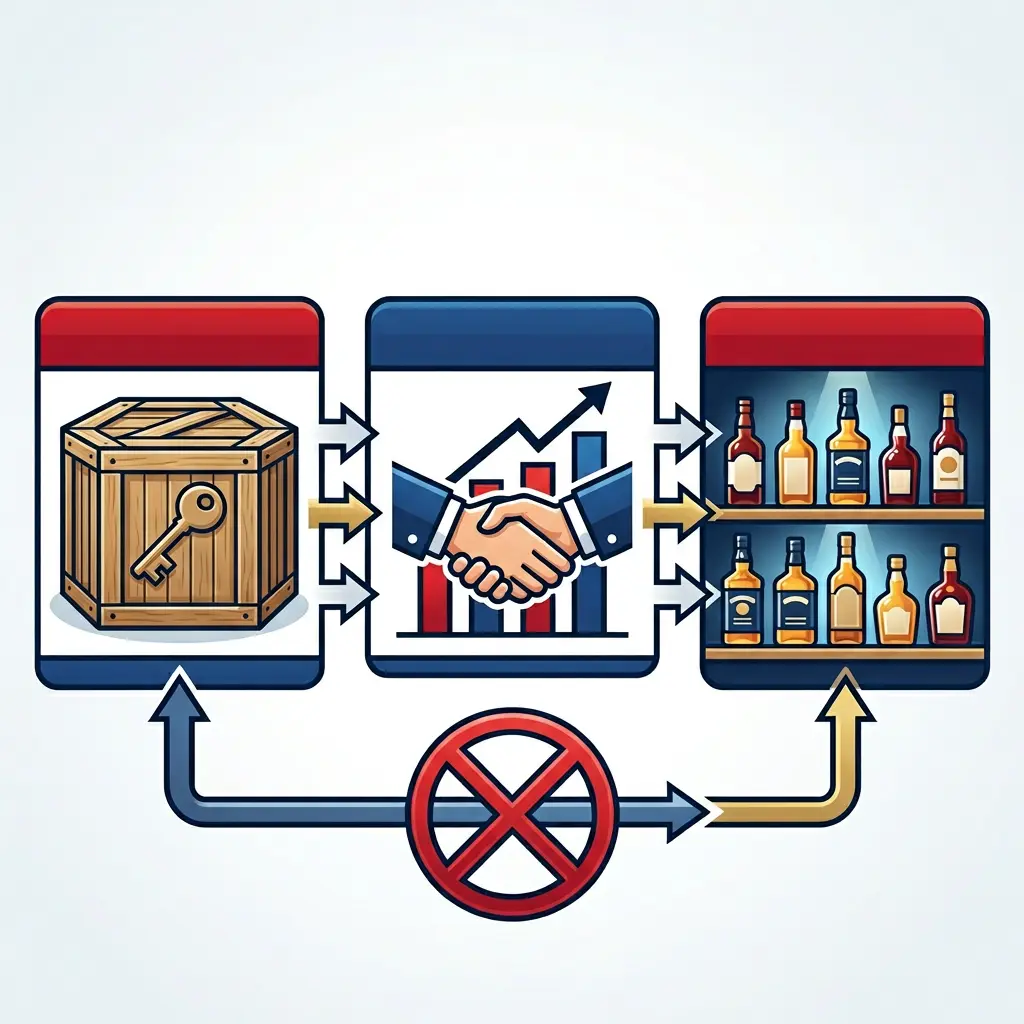
One of the most unique aspects of the U.S. alcohol market is the three-tier system, which separates:
- Importers/Suppliers
- Distributors
- Retailers
To legally sell spirits in the U.S., brands must work through licensed distributors who then sell to retailers, restaurants, and bars.
What this means for brands:
- You cannot sell directly to most retailers
- Building distributor relationships is critical
- Market-by-market strategy is required
Stoller Imports can help you navigate this process and get you into distribution through our partners – hyperlink here.

Go-to-Market Strategy for Imported Spirits
Successfully importing spirits into the U.S. goes far beyond compliance—it requires a strong commercialization plan.
Key elements include:
- Market positioning and pricing strategy
- Distributor partnerships
- Sales team alignment
- Retail and on-premise activation
- Brand storytelling and marketing
The U.S. market is competitive, and brands that succeed are those that invest in both strategy and execution.
Why Partnering with an Importer Matters
Navigating regulations, logistics, and distribution alone can be overwhelming. A strategic import partner helps streamline the process and unlock growth opportunities.
At Stoller Imports, we act as more than just an importer—we are a partner in your expansion. From compliance to commercialization, we help brands:
- Enter the U.S. market efficiently
- Avoid costly regulatory missteps
- Build strong distributor relationships
- Scale with confidence

Final Thoughts
Importing spirits into the United States is a complex but rewarding process. With the right preparation and expertise, international brands can thrive in one of the world’s largest and most dynamic spirits markets.
If you’re considering bringing your brand to the U.S., having the right partner can make all the difference. Call us today, we will have your brand selling in no time!